Panama City Beach top Pool Cleaning Service for Complete Pool Maintenance
Panama City Beach top Pool Cleaning Service for Complete Pool Maintenance
Blog Article
Dependable Pool Cleaning Service for Crystal Clear Waters
A dependable pool cleaning service serves a vital function in maintaining clear and healthy waters. With expert knowledge and advanced equipment, these services effectively manage chemical balances and avoid potential health hazards. Regular maintenance not only improves a pool's visual attractiveness but also protects its longevity. Understanding the key benefits and considerations of hiring such a service can result in informed decisions for pool owners. What factors should be taken into account when selecting the right service?
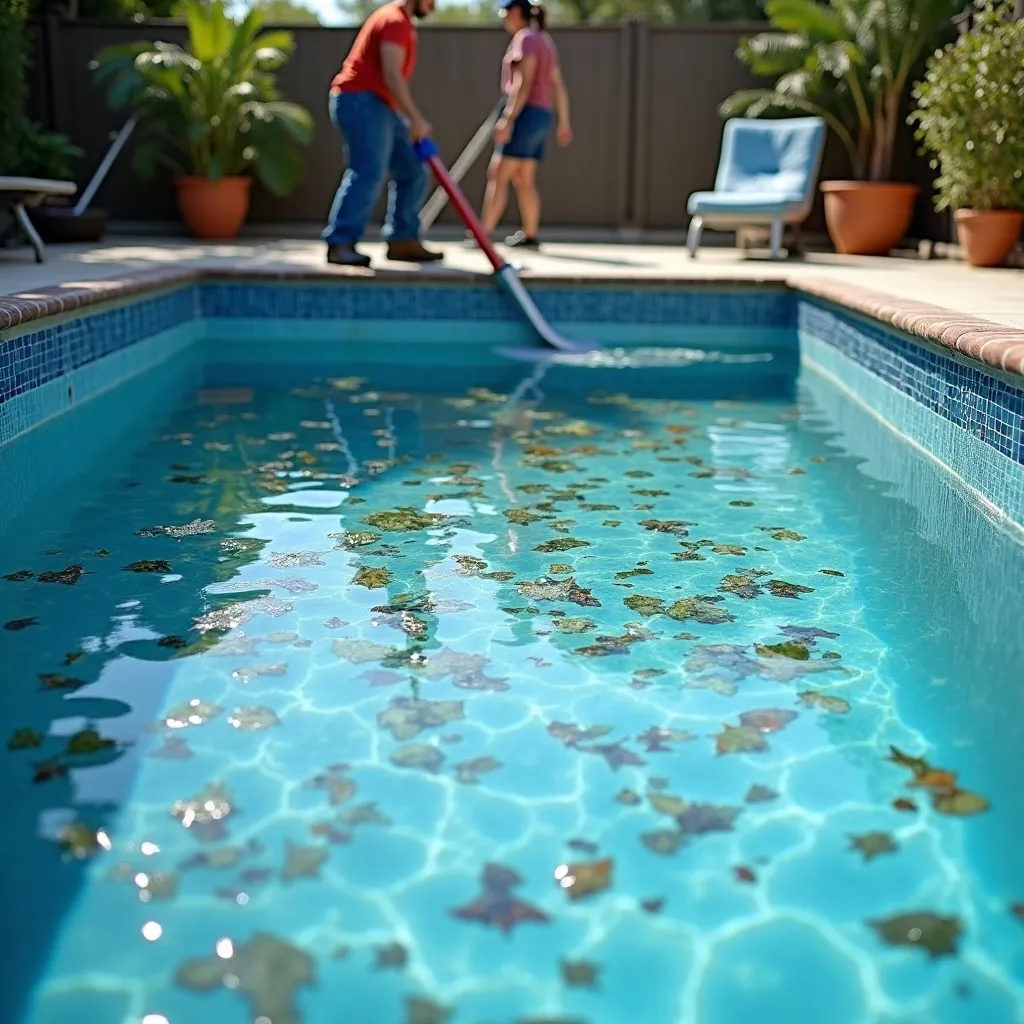
Why Choose a Consistent Pool Cleaning Company?
Why ought homeowners evaluate a trustworthy pool cleaning service? The care of a swimming pool requires consistent upkeep to ensure water quality and safety. Homeowners often lack the time or expertise to oversee this properly. A reliable pool cleaning service offers specialized knowledge and tools, confirming that the pool remains clean and inviting. By entrusting the task to professionals, homeowners can avoid potential health hazards associated with unclean water, such as algae growth and harmful bacteria.
Moreover, these options can help maintain the life of the pool's infrastructure by handling issues like debris accumulation and chemical balance. Homeowners can also reap rewards from routine inspections, recognizing problems before they escalate into costly repairs. Ultimately, engaging a dependable pool cleaning service allows homeowners to enjoy their pool without the stress of maintenance, providing peace of mind and enhancing their overall swimming experience.
Primary Benefits of Retaining a Pool Cleaning Service
While many dwellers may fail to recognize the essentiality of pool maintenance, contracting a professional pool cleaning service offers numerous rewards that enhance both the pool's condition and the owner's experience. One prominent merit is the competence these experts bring, ensuring that all aspects of pool servicing—from chemical balancing to maintaining equipment—are handled correctly. This competence facilitates prevention of costly repairs subsequently.
In addition, a frequent cleaning schedule alleviates the pressure on homeowners, letting them to relish their pool without the hassle of upkeep. Professionals also use commercial tools and high-quality cleaning solutions that can obtain superior results compared to DIY methods.
Moreover, using a service saves time, permitting homeowners to focus on leisure rather than work. Ultimately, the investment in a pool cleaning service leads to a more inviting, hygienic swimming environment, enhancing both the aesthetic appeal and functionality of the pool.
Must-Have Standards for Finding a Pool Care Business
Locating the most suitable pool cleaning service necessitates deliberate reflection regarding multiple significant factors. Most importantly, a reputable service should maintain proper credentials, including documentation and coverage, confirming observance of local standards and offering protection against possible complications. Following, user reviews and references function as helpful tools of dependability and performance, enabling prospective clients to assess the service's reputation.
Additionally, the range of services provided is vital; a thorough cleaning service should encompass regular maintenance, chemical balancing, and equipment checks. Price transparency is another important criterion, as clear and upfront estimates help avoid unforeseen expenses. Moreover, a commitment to using eco-conscious materials can improve the service's appeal, aligning with the values of eco-conscious clients. Ultimately, the availability of flexible scheduling options guarantees that the offering can meet clients' unique needs, boosting overall convenience and satisfaction.
Comparing Pool Cleaning Approaches: Advantages and Negatives
When evaluating pool cleaning methods, it is essential to understand the advantages and disadvantages of each approach. Manual cleaning allows for meticulous care but can be labor-intensive and time-consuming. Automatic cleaners offer convenience and efficiency, though they may not reach every corner of the pool.
Chemical treatments are effective in sanitizing, but careless application can lead to imbalanced water chemistry. In contrast, nature-based cleaning solutions, like using enzymes, are environmentally safe but may require increased application frequency to retain clearness.
Robotic cleaners are increasingly popular, offering a combination of automated operation and efficiency but can come with a steeper initial investment. Ultimately, the choice of cleaning method is based on financial resources, available time, and personal preference. Understanding these advantages and disadvantages assists pool owners make informed decisions to guarantee their water stays pristine and appealing.
How Regular Should Your Pool Upkeep Schedule Be?
Ascertaining how regularly a pool requires cleaning relies on multiple factors that can substantially impact upkeep needs. Seasonal changes, the intensity of pool utilization, and overall water purity are fundamental factors in formulating a productive cleaning regimen. Comprehending these elements can enable pool owners to sustain a safe and enjoyable swimming locale.
Seasonal Cleaning Guidance
Consistent pool maintenance is essential for keeping a safe and inviting aquatic space. Periodic upkeep suggestions indicate that pool proprietors should schedule maintenance sessions according to the particular needs of their pool and local weather. In spring, a thorough cleaning is required to remove waste accumulated over winter. During the summer months, frequent cleanings are often recommended to manage heightened activity and algae growth. As autumn arrives, more frequent maintenance may be required to handle leaves and other organic materials. In winter, if the pool is not in use, twice-monthly maintenance can help avoid issues like freezing and algae accumulation. Adhering to these periodic recommendations guarantees peak pool condition, safety, and enjoyment throughout the year.
Pool Usage Frequency Impact
How frequently should pool managers think about find this resource maintaining their pool? The frequency of pool upkeep is primarily determined by how often it's used. For pools that see daily use, especially in warmer months, a weekly cleaning schedule is advisable to maintain optimal cleanliness and visual appeal. In contrast, pools that are used less frequently may only need cleaning every two weeks. Seasonal factors also factor in; for instance, during autumn, leaves and debris may require more frequent care. Additionally, the number of swimmers introduces contaminants, which can accelerate the requirement for maintenance. Recognizing these factors helps pool managers establish a tailored cleaning routine that guarantees a sparkling, inviting swimming environment without excess upkeep expenses.
Water Purity Factors
The cleanliness of pool water is an important factor in creating a safe and enjoyable swimming environment. Regular cleaning is vital to preserve ideal water quality, typically suggested once a week for residential pools. However, the frequency may differ based on multiple factors, including pool usage, weather conditions, and surrounding vegetation. Heavy usage or debris-filled environments may require more frequent cleaning. Additionally, regular checking of water chemistry—such as pH and chlorine levels—is essential to ensure sanitary conditions. Neglecting these aspects can lead to algae growth, cloudy water, and possible health risks. Consequently, investing in a reliable cleaning service not only enhances the pool's appearance but also protects the health of its users.
What Can Fail Without Consistent Upkeep?
Ignoring swimming pool upkeep can lead to a variety of problems that compromise both the security and enjoyment of the swimming environment. Without regular cleaning, debris accumulates, creating a breeding ground for algae and bacteria, which can present safety hazards to individuals using the pool. Additionally, improper chemical balance may result in skin irritation and discomfort, eye discomfort, or even more severe health problems.
Throughout time, the pool's filtration unit can become clogged, minimizing its efficiency and producing hazy water. Also, failing to perform regular maintenance checks can cause structural damage, including cracks in the pool surface and corrosion of metal components. This degradation not only impacts aesthetics but can also lead to expensive upkeep. In all, failing to maintain a pool undermines its working capacity and safety, ultimately decreasing the pleasure of swimming and amplifying long-term expenses for the owner. Routine care is necessary for preserving a clean, safe, and enjoyable pool surrounding.
Pool Maintenance Mistakes That Are Widespread to Prevent
Ongoing upkeep is indispensable for avoiding a array of problems, but even diligent pool owners can make mistakes during the cleaning work. One common mistake is neglecting to monitor chemical levels before maintenance. Poor chemical balance can lead to algae growth or cloudy water, undermining the cleaning effort. Additionally, employing inappropriate tools can damage surfaces; for instance, metal brushes can scratch vinyl liners.
Neglecting the skimmer and pump baskets is another common blunder. These can limit water flow and reduce cleaning efficiency if not emptied regularly. Some owners neglect filters on a routine basis, causing diminished performance and increased energy expenses.
In conclusion, cleaning infrequently can result in a accumulation of dirt and pollutants. By avoiding these common pitfalls, pool owners can confirm their cleaning routines are productive, preserving their waters crystal clear and appealing for all.
Frequently Requested Questions
How can I verify if my pool cleaner has proper credentials?
To determine if a pool cleaner is properly qualified, one should validate their qualifications with pertinent trade organizations, look for licenses, and inquire into their background and expertise in pool care and safety standards.
What Chemicals Do Pool Maintenance Companies Typically Utilize?
Pool cleaning services typically use chlorine, pH balancers, algaecides, and water clarifying solutions. These chemicals preserve water clarity, inhibit algae growth, and guarantee healthy aquatic environments, contributing to efficient pool maintenance and general hygiene.
Can a Pool Cleaning Service Manage Repair Work as Well?
Several pool cleaning services extend restoration capabilities, handling issues such as leaks, mechanical failures, or surface damage. Their proficiency enables for both upkeep and restoration, guaranteeing pools stay operational and safe for users.
How Do Climatic Factors Affect Pool Cleaning Timelines?
Environmental elements substantially influence pool upkeep schedules. Rain, wind, and extreme temperatures can hinder scheduling, necessitating plan adjustments. Additionally, storms may deposit particles, calling for increased upkeep to copyright cleanliness and quality.
What should I do prior to the Pool Cleaning Service arrives?
When the pool cleaning crew is about to come by, the homeowner should clear away any pool items, outdoor furniture, and waste from the area. Additionally, monitoring the water level and confirming access to equipment can facilitate a smoother cleaning process.
Report this page